
What is EMDR?
Eye Movement Desensitization and Reprocessing (EMDR) is a structured therapy that encourages the patient to briefly focus on the trauma memory while simultaneously experiencing “bilateral stimulation” (typically eye movements). It is based on the fact that trauma often gets “stuck” in the brain’s processing center. EMDR helps the brain “digest” the memory so it is no longer disturbing.
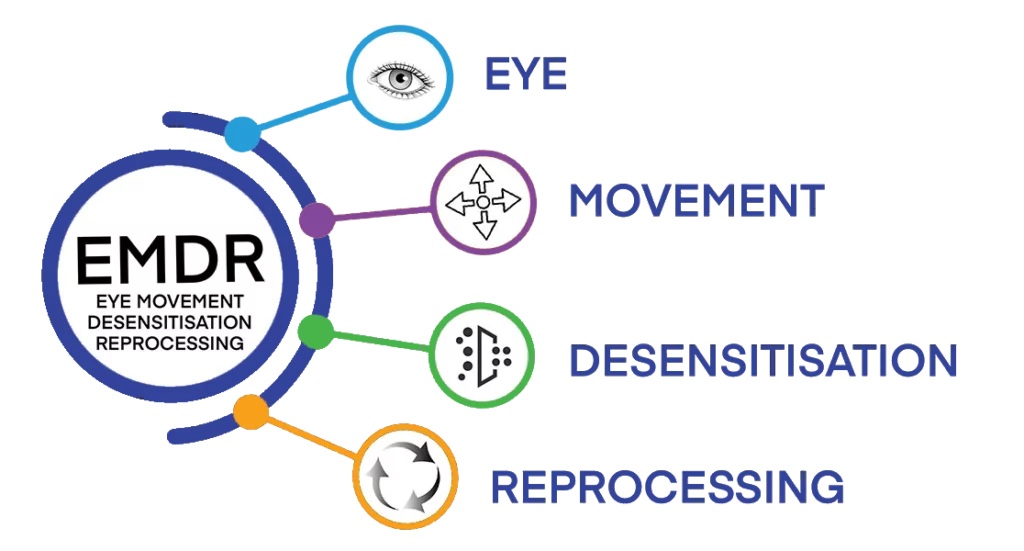
Eye Movement Desensitization and Reprocessing (EMDR) is a 3-pronged therapy that focuses on the past, present, and future to help the brain desensitize and reprocess negative memories from the past and neutralize triggers. As a result of reprocessing past memories, emotional distress, sensations of ‘stuckness’, and related symptoms of mental unease are alleviated.
Unique Feature:
EMDR for Kids: Carrie is one of the few counsellors in Northwest Ontario trained to use EMDR with children, helping them process adverse experiences early so they don’t carry them into adulthood.
The Process: What Occurs in a Session?
-
Assessment: We identify the specific memories or “targets” that are causing your current distress.
-
Desensitization: You focus on the memory while following the therapist’s hand or a light bar. This kickstarts the brain’s natural healing process.
-
Reprocessing: You may notice the memory changing—becoming distant, blurry, or less emotional. The goal is to reach a point where you can recall the event with zero emotional distress.
Frequently Asked Questions
EMDR stands for Eye Movement Desensitization and Reprocessing. It’s a gentle therapy that helps kids’ brains feel better after scary, upsetting, or confusing experiences. It helps the brain learn that the hard things are over and that the child is safe now.
Kids use simple activities like watching lights, tapping hands, or listening to sounds while thinking about feelings or memories. These activities help the brain process big feelings in a safer, calmer way.
This is play based, arts based, sandtray therapy with a lot of stories and focus on understanding where the feeligns live in the body and the use of the Storytellers, Mind, heart body to understand healing!
Yes. EMDR is widely used with children and is carefully adapted to match their age and comfort level. Therapists go at the child’s pace and make sure kids feel safe before working on anything hard.
No. Children don’t have to explain or relive every detail. EMDR works even if kids have trouble finding words for their experiences.
EMDR can help children who experience:
- Anxiety or fears
- Nightmares or sleep problems
- Big emotional reactions or meltdowns
- Grief or loss
- Trauma from accidents, medical procedures, bullying, or family changes
Before doing EMDR, the therapist helps the child learn coping skills, calming tools, and ways to feel safe. This helps children feel confident and supported during therapy.
Yes, often! EMDR with kids may include drawing, games, stories, movement, or imagination to make sessions engaging and age-appropriate.
Caregiver involvement depends on the child’s age and needs. For younger children, parents are often involved to support safety and progress. The therapist will talk with caregivers about the best plan.
Every child is different. Some children feel better in a few sessions, while others may need more time. The therapist will regularly check in and adjust the plan as needed.
Feeling emotions is part of healing, but the therapist helps children stay regulated and supported. EMDR includes techniques to help kids calm down before leaving each session.
Many caregivers notice improvements such as better sleep, fewer fears, calmer behavior, and improved confidence. Progress is discussed regularly with caregivers.